Get More Life In Your Years
Why Your Body Feels Stiffer As You Age (And What Helps)
You didn’t wake up one day and suddenly feel stiff. It crept in slowly. Movements that used to feel easy now feel tight or restricted. Getting out of bed, reaching overhead, or turning your head while driving may all feel a little less free than they used to.
If you’re over 40, you might notice you feel stiff in the morning, take a while to “get going”, or just feel less mobile than you remember. You are not imagining it – but it also doesn’t mean your body is broken.
This guide explains, in simple language, why your body feels stiff as you get older, what’s actually happening, and gentle ways to improve mobility over 50 without extreme exercise.
A calm, 1:1 conversation to understand your body and explore simple next steps.
Is this you?
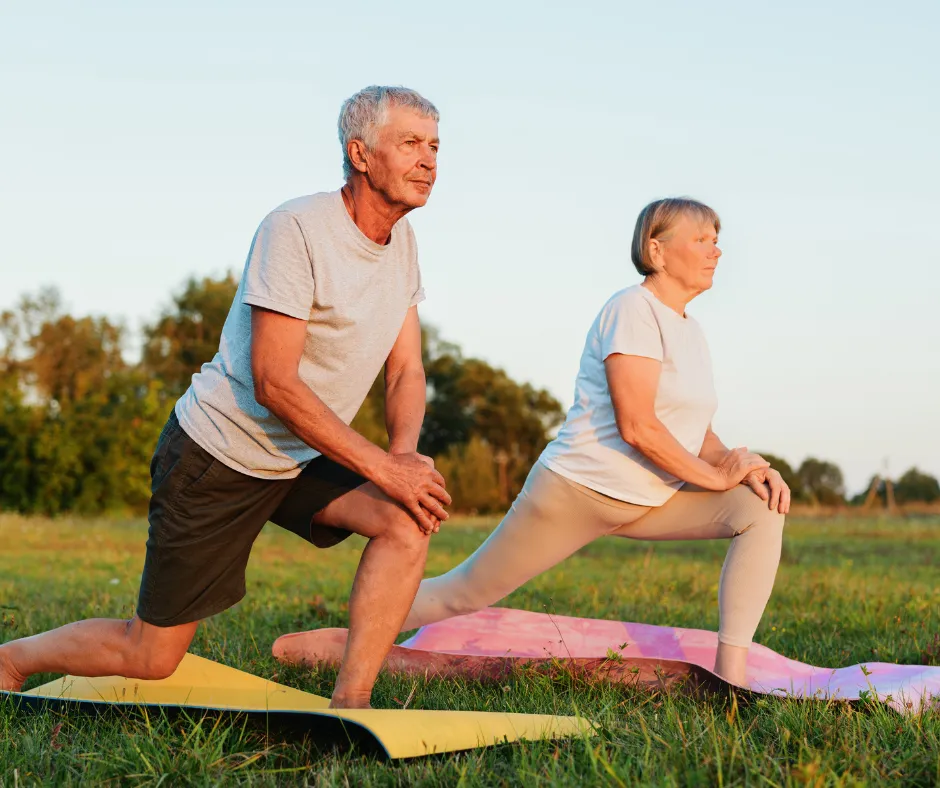
You feel tighter or more restricted than you used to.
You notice stiffness with age, especially first thing in the morning.
You want to stay active and independent without pushing your body too hard.
You prefer simple mobility exercises over complicated routines.
If this sounds familiar, you are in the right place.
Stiffness with age is common – and often normal
Many people in their 40s, 50s, 60s and beyond quietly wonder, “Why does my body feel stiff now, when I used to move so freely?” It can be worrying, especially if you’ve always been fairly active.
The first thing to know is this: you are not alone. Changes in ageing and mobility are extremely common. Most people notice some loss of flexibility or extra tightness over time.
Feeling stiff does not automatically mean there is serious damage, something “out of place”, or that you are destined to lose your independence. Often, it is your body responding to how life has changed over the years.
Why joints get stiff: a simple explanation
Your body is always paying attention to how you use it. Over time, it quietly adapts to your habits. This is one of the main reasons stiffness with age is so common.
1. The body adapts to what you do most
If you spend a lot of time sitting, your body gets very good at sitting. If you rarely reach overhead, twist, squat, or bend fully, those movements become less familiar. Muscles and tissues around your joints can gradually become shorter, tighter, or less flexible in the positions you don’t use.
2. Less movement usually means more stiffness
Joints like to move. Movement helps blood flow, lubrication, and communication between your brain and body. When movement reduces – maybe due to work, injury, family demands, or simply habit – your body can respond by feeling stiffer and less willing to move into certain ranges.
3. Recovery slows slightly with age
As we get older, we often don’t bounce back as quickly from a busy day, a long walk, or a bit of DIY. The body can still adapt very well, but it may need a little more time, sleep, and gentle movement to recover. When we don’t allow for that, small tensions can build up instead of fully settling.
4. Small restrictions build up over time
Most stiffness doesn’t appear from one big event. It’s usually a collection of small changes: a bit less movement here, a bit more strain there, slightly tighter muscles after a busy week. Over years, this can add up to the feeling that your body has “seized up” – even though there is often a lot that can still improve.
In simple terms
If you’re asking, “Why does my body feel stiff?”, a helpful way to think about it is:
Less variety of movement + less recovery time = more stiffness.
The good news is that both movement and recovery can be improved with calm, gradual changes – at any age.
Stiffness is often adaptation, not damage
We are often told that if something feels stiff or tight, it must be “worn out” or “damaged”. While that can sometimes be true, many people feel stiff mainly because their body has adapted to repeated patterns over time.
Think of it as your body saying, “This is what we do most, so I’ll get good at this shape and protect you here.” If you spend years in similar postures or loads, your nervous system may “tighten the brakes” in certain directions to keep you feeling safe and stable.
A useful way to think about it is:
Too much load and not enough recovery over time can lead to:
- Tightness – muscles and tissues holding a little more tension than they need.
- Restriction – joints not moving as smoothly or as far as they once did.
- Reduced ease of movement – daily tasks feeling harder or heavier than before.
This understanding matters because it shifts the focus from “my body is broken” to “my body is adapting – and I can help it adapt in a better direction”. That is a much more hopeful, and often more accurate, way to think about how to stay flexible as you age.
What most people do when they feel stiff
Once stiffness is noticeable, many people try to fix it with good intentions but unhelpful strategies. This can lead to frustration or even more tightness.
- Trying to force stretching – pushing into pain or holding very strong stretches.
- Doing too much too quickly – launching into intense exercise after years of doing very little.
- Following generic routines – copying exercises from social media that aren’t right for their body.
- Stopping as soon as something feels uncomfortable – which can reinforce the idea that movement is unsafe.
When we suddenly demand a lot from tissues that have adapted to doing less, the body may respond by tightening up even more. It is trying to protect you, not punish you.
Why this often doesn’t work
Your nervous system is like a careful driver. If it thinks a movement is risky, it can tighten muscles and limit range to keep you safe. Forcing or rushing often sends the opposite signal of what you want.
Instead of thinking, “I must stretch this out at all costs,” it is often more helpful to think, “How can I show my body that these movements are safe, comfortable, and repeatable?”
That’s where gentle, personalised approaches to reduce stiffness naturally can be much more effective than copying a random routine online.
What actually helps reduce stiffness naturally
If stiffness is often your body adapting to repeated patterns, the way forward is to change those patterns gently and give your body time to adjust. You do not need extreme exercise. You do need consistency and the right kind of movement.
1. Reduce unnecessary strain
Small changes to posture, daily habits, and how you lift, sit, or stand can remove a surprising amount of background strain. This makes it easier for your body to relax and move better.
2. Restore movement gradually
Gentle, repeated movements that feel safe are more effective than rare, intense sessions. Simple mobility exercises – done within comfortable limits – help reassure your body that these ranges are okay again.
3. Be consistent, not intense
A few minutes most days usually beats an hour once a fortnight. Your body responds well to regular, gentle reminders. Over time, this can change how you feel when you wake up, walk, bend, and carry things.
4. Work with your body, not against it
Instead of fighting stiffness, we aim to understand what is driving it for you. That might include your work, sleep, past injuries, beliefs about movement, and the way you currently move. Then, step by step, we adjust those factors in a manageable way.
This is often a calmer, more sustainable route to improve mobility over 50 than simply pushing harder in the gym.
How life can feel when mobility improves
Improving mobility is not just about touching your toes. It’s about getting more life in your years – feeling able to do the things that matter to you, with more ease and confidence.
- Easier movement – getting out of bed, chairs, and cars with less effort.
- Less day-to-day discomfort – fewer aches from simple tasks or gentle walks.
- More confidence in your body – trusting that you can bend, lift, and turn safely.
- Greater independence – feeling able to garden, walk, travel, and play with grandchildren.
- Better long-term health – movement supports heart health, bone strength, and mood.
- A more positive relationship with your body – feeling supported, not let down, by it.
A note if you live with pain or a condition
Many people in Cumbria and around Penrith come to see me with long-standing stiffness alongside other health conditions. This page is not medical advice, and we always work alongside your existing healthcare support where needed.
The focus is on what you can do: gentle, appropriate changes that respect your history, your limits, and your goals.
Understanding what limits your movement is the key
Many mobility plans start with exercises. I prefer to start with you.
If you want to improve mobility, the key is understanding what is limiting you – not just adding more stretches or workouts. For some people it’s long periods of sitting. For others, old injuries, stress, or fear of making things worse. For many, it’s a combination.
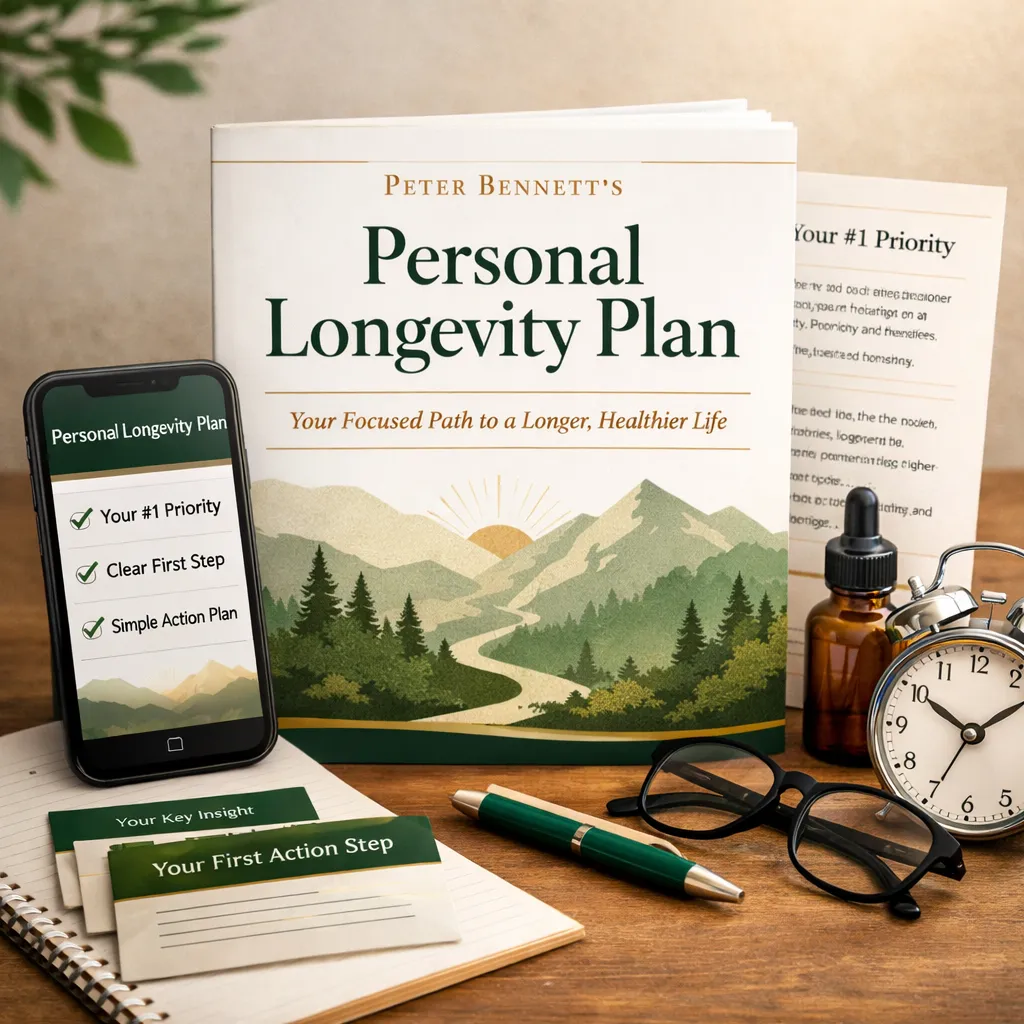
A personalised longevity plan looks at the whole picture: movement, recovery, sleep, strength, and daily life – then finds the simplest next steps that fit who you are and how you live.
Improve your mobility with a simple personal plan
If you’re wondering how to stay flexible as you age without punishing workouts, a calm, structured plan can help you move more freely again – at a pace that feels right for you.
- 1:1 guidance from a UK-based chiropractor and longevity coach.
- Clear, simple explanations so you understand what your body is doing.
- Gentle progressions instead of “no pain, no gain”.
- Plans that fit real life in your 40s, 50s, 60s and beyond.
Sessions available online and in person, subject to availability.

About Peter Bennett
I’m Peter Bennett, a UK-based chiropractor and longevity coach with over 20 years of experience helping people move with more ease and confidence at every age.
My focus is simple: help you get more life in your years. That means supporting you to stay active, independent, and engaged in the things you care about – without overcomplicating your health routine.
I’m known for clear explanations and calm, practical plans. Whether you’re in your 40s wanting to prevent future problems, or in your 60s working around long-standing stiffness, we’ll look for the simplest changes that make a real difference for you.
This work is educational and supportive. We do not diagnose or treat medical conditions – instead, we focus on sustainable, body-friendly changes that support your overall health and mobility over time.
Frequently asked questions about stiffness and mobility
These answers are general and educational. They do not replace personalised advice from a healthcare professional who knows your full history.
Why do I feel stiff as I get older?
There are many possible reasons, but for most people stiffness builds up gradually rather than suddenly. As life changes, we often move less, sit more, and repeat the same positions and tasks. The body adapts to this by getting very good at what we do most, and less comfortable with movements we rarely use. Recovery can also be a little slower with age, so small tensions don’t always fully fade between busy days. Together, these changes can make joints and muscles feel tighter or less free, even without serious damage.
Can stiffness be reversed?
In many cases, stiffness can be improved – sometimes significantly. How much it changes depends on the reasons behind it, how long it has been there, and what else is going on in your body. The encouraging news is that our bodies can adapt positively at any age when we give them the right combination of movement, recovery, and support. The goal is not perfection, but helping you move more comfortably and confidently than you do now.
Is stretching enough to improve mobility?
Stretching can be helpful, but it is rarely the whole answer. If you only stretch but don’t change how you sit, move, rest, and load your body, the same patterns that created stiffness are still in place. For many people, gentle strength work, varied movement, better sleep, and reduced day-to-day strain are just as important as stretching. It’s also vital that any stretches you do feel safe and manageable, rather than like a battle with your own body.
How long does it take to improve mobility?
Some people notice small changes within a few weeks of consistent, appropriate movement. Deeper, more lasting changes usually build over months, not days. Your starting point, health history, stress levels, and schedule all play a role. The aim is steady progress rather than quick fixes: small improvements in how you feel when you wake up, walk, or do daily tasks can add up to a big difference over time.
Do I need to exercise a lot to see benefits?
Not usually. Many people are surprised by how much they can gain from a relatively small, well-chosen amount of movement. A few minutes of the right things most days often beats long, exhausting sessions that you can’t keep up. The key is choosing movements that are matched to your current ability, feel safe, and fit into your real life – especially if you are over 50 and balancing work, family, and other responsibilities.
Should I see someone in person for my stiffness?
If your stiffness is new, severe, getting quickly worse, or linked to other worrying symptoms, it is sensible to speak with a healthcare professional who can assess you directly. Educational longevity coaching, like the work I offer, is designed to sit alongside medical care – not replace it. Together, we focus on what you can safely do to support your body through simple, sustainable changes.