Rethinking Cancer: A Holistic Approach Rooted in Metabolic Health
When I was studying biochemistry and molecular biology in the 1980s, the leading theory about cancer was that it was a genetic disease. The idea was simple: mutations in our DNA caused cells to grow uncontrollably, leading to cancer. But even then, something about this theory didn’t sit right with me.
If cancer is mainly about faulty genes, how do we explain the rapid increase in cancer cases over the last century? Our DNA hasn’t changed in that time—it evolves over thousands of years. But our world has changed dramatically. Our diets are more processed and loaded with sugar, toxins in our environment have multiplied, and stress levels are higher than ever. Could these factors be more important than genetics when it comes to cancer?
Cancer: A Metabolic Problem, Not Just Genetic
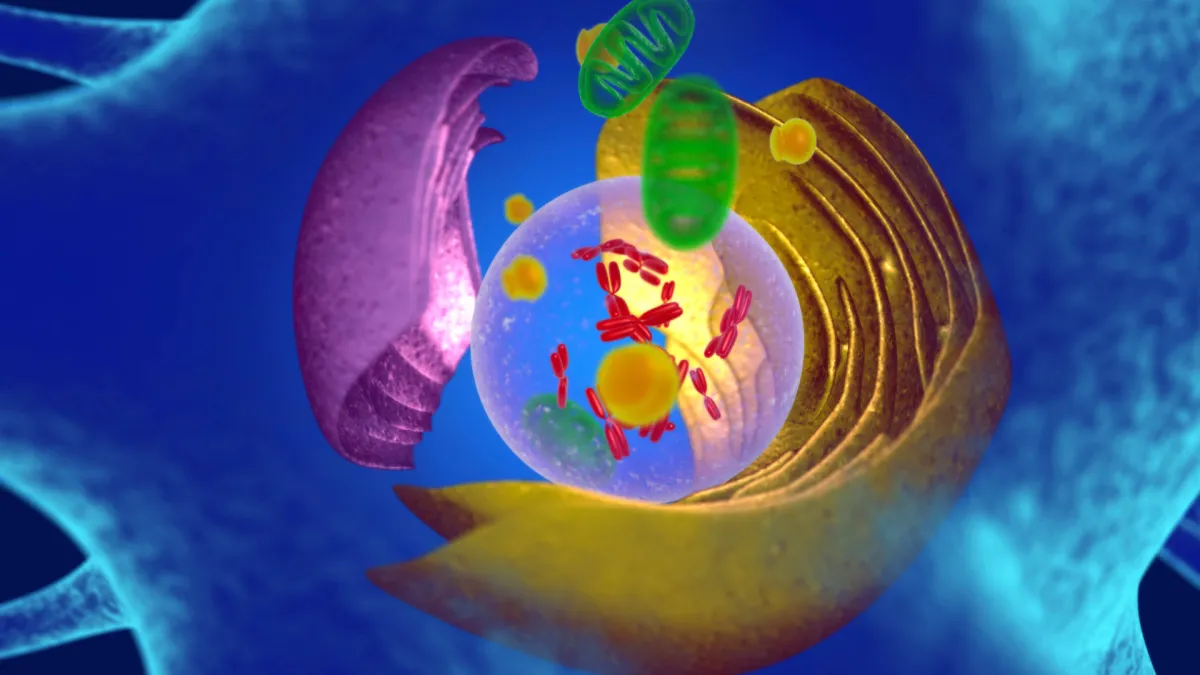
Dr. Thomas Seyfried, a renowned expert in biology and biochemistry, offers a compelling answer. His research suggests that cancer isn’t primarily a genetic problem but a metabolic one. Instead of focusing on faulty DNA, Dr. Seyfried looks at the mitochondria—the energy powerhouses of our cells.
When mitochondria are damaged, they stop producing energy efficiently. This dysfunction can trigger a cascade of problems, including the uncontrolled cell growth that defines cancer. Dr. Seyfried’s research reframes cancer as a mitochondrial disease, shifting the focus from genes to how cells generate energy.
Why Diet Matters: Starving Cancer, Supporting Health
One of the most exciting aspects of Dr. Seyfried’s work is his explanation of how cancer cells fuel themselves. Unlike normal cells, which can adapt to using ketones (energy from fat), cancer cells are highly dependent on glucose (sugar) for energy.
This is where a ketogenic diet—low in carbohydrates and high in healthy fats—comes in. By reducing glucose levels in the body, this diet effectively "starves" cancer cells while allowing normal cells to thrive on ketones. It’s a natural, non-toxic strategy to target cancer at its metabolic roots.
Fasting and Detox: Taking It Further
Dr. Seyfried also highlights the power of intermittent fasting to complement a ketogenic diet. Fasting helps lower glucose levels even further and increases the production of ketones, creating an environment where cancer cells struggle to survive.
Fasting also reduces inflammation and supports the body’s natural detoxification processes, addressing some of the environmental and dietary factors that have become so prevalent in modern life.
A Holistic Approach to Health
Dr. Seyfried’s approach resonates deeply with my own philosophy: the best way to combat disease is to focus on improving overall health. Rather than just treating symptoms, we need to address the root causes—poor diet, environmental toxins, and stress—and create a body that’s strong, resilient, and balanced.
This isn’t just about fighting cancer; it’s about living a healthier, longer, and more vibrant life. By taking a holistic approach, we’re not just surviving—we’re thriving.
Moving Forward
If you’re curious to learn more about Dr. Seyfried’s groundbreaking work, I encourage you to watch his full interview here: Watch Now.
At Get More Life, we believe in empowering you to take control of your health by making informed, practical changes that improve your quality of life. Whether it’s exploring a healthier diet, adding movement to your day, or learning strategies to manage stress, every step you take gets you closer to better health.
Here’s to creating a body that’s ready to tackle whatever life throws at it.
Yours in health,
Peter Bennett
Get More Life
